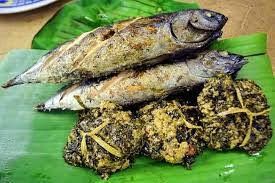

In the kitchens of Samar, the aroma of simmering coconut milk and leafy greens signals a dish deeply rooted in local life, pinangat.
Carefully wrapped in taro leaves and slowly cooked to perfection, this humble yet flavorful delicacy reflects the island’s rich culinary heritage and the resourcefulness of its people.
Pinangat is a traditional Filipino dish typically made by wrapping ingredients such as small fish, often dried fish like dilis or tuyo, along with chili and spices in gabi (taro) leaves, then cooking the bundles in generous amounts of coconut milk.
The result is a savory, creamy dish with a slightly spicy kick, where the leaves soften and absorb the flavors of the filling and the coconut broth.
For many Samareños, pinangat is more than just a meal. It is a symbol of home and communal life.
The preparation itself often brings families together. Older generations pass down the technique of wrapping the delicate gabi leaves just right and tight enough to hold the filling, but gentle enough so the leaves do not tear. The bundles are then layered carefully in a pot, slowly simmered until the coconut milk thickens into a rich sauce.
The dish’s roots can be traced to the broader Filipino cooking tradition reflected in the word “pangat,” which means cooking food, often fish, in broth or liquid.
Over time, different regions developed their own interpretations of the method. In Samar and neighboring islands, the abundance of coconut trees and taro plants shaped the distinctive version now known locally as pinangat.
Historically, Samar has long been an island rich in natural resources and local food traditions. The island was among the first places in the Philippines sighted by Europeans during the expedition of Portuguese explorer Ferdinand Magellan in 1521.
Long before colonial influence, however, communities across the island already relied on the surrounding seas, rivers, and farms for sustenance. Ingredients used in pinangat which is fish, taro leaves, chili, and coconut milk were readily available to early inhabitants, making the dish both practical and nourishing.
Over generations, pinangat evolved into a staple in Samar households. Its simplicity allowed families to adapt the recipe depending on what was available.
Some versions include shrimp or crab meat, while others rely on dried fish for a deeper, saltier flavor. Despite these variations, the essence of the dish remains the same: a comforting combination of coconut richness and earthy greens.
Today, pinangat continues to represent the resilience and creativity of Samareño cuisine. Whether served at everyday family meals or shared during community gatherings, each leaf-wrapped bundle carries a story, one of heritage, survival, and the enduring flavors of Samar.
#WeTakeAStand #OpinYon #OpinYonNews