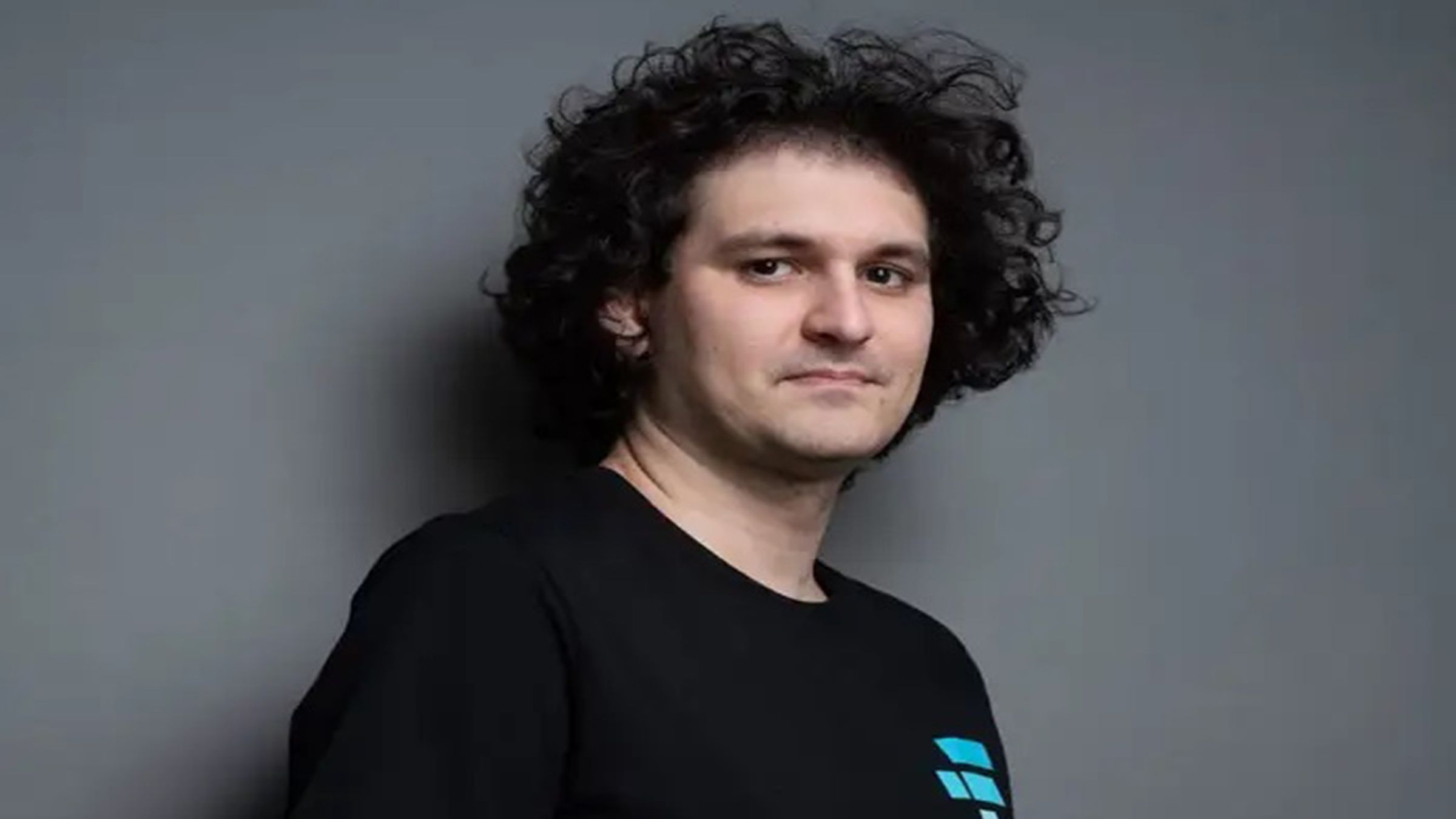

AT THE height of his popularity and wealth, Sam Bankman-Fried had been compared with JP Morgan and Warren Buffet, with Forbes, CNBC and the New York Times among other American media, showering him with accolades, even reverence.
One reason for this is that Sam had been very generous to various causes, whether sports, charitable or political. A TV announcer interviewing him once characterized SBF as the most generous billionaire in the world.
Credibility--or the perception of being credible and worthy of trust--is most palpable in SBF's career path. He was able to convince venture capital holders and important people in Silicon Valley to put in funds for his twin companies, Alameda Research and FTX.
To maintain an image of being an honest and trustworthy individual, SBF capitalized on his being a huge donor for worthy causes and politicians.
It was reported that he gave $40 million to the Democratic Party, a huge part of which went to the recent presidential campaign of President Joseph Biden.
This bought for Sam quite a trove of influence and favors from the Biden administration. Gary Gensler, MIT economics professor, was appointed by Biden to head the Securities and Exchange Commission (SEC) which is the regulatory body in charge of the stock market and crypto currencies, and had been quite lax in his dealings with FTX.
Sam's closeness to the Democrats is not the only reason why FTX and Alameda Research were favored by the government. Gensler used to be the professor of Glen Ellison, the father of Caroline Ellison who is Alameda's CEO and girlfriend to SBF.
Many smell fraud in the way FTX and Alameda operated, but the recent bull market in cryptos somehow overshadowed doubts being raised about the twin companies of Bankman-Fried.
But in May-June of 2022, when the market was experiencing a downturn, two big crypto players--Voyager and Celsius--suddenly went bankrupt. Alameda Research had substantial exposures in these two firms, and was in danger of going bankrupt, too.
Sam Bankman-Fried desperately wanted to save Alameda from closure but couldn't raise enough money for this rescue. Since FTX holds $16 billion in clients' deposit, he decided to loan Alameda some $10 billion, more than half of his users' money which should have been kept in a one-on-one value status inside FTX coffers. As if this was not enough, Sam used a backdoor transfer to move the funds. He made it a secret from his own firm's compliance team.
In June, 2022, another crypto company, BlockFi was in trouble. Here again, Alameda stood to lose much of its exposure in BlockFi, and SBF extended to BlockFi a credit line of $250 million.
The series of events leading to the week in November when Sam went belly up from $26 billion personal wealth to nearly zero, all in less then a week, can be attributed in part to his rivalry with CZ of Binance, the biggest crypto exchange in the world.
CZ knew that his holdings of $2 billion of Sam's FTT tokens were enough to unsettle SBF. Then came the scoop published by CoinDesk revealing big discrepancies in the balance sheet of Alameda.
Following this, CZ tweeted that he will sell the remaining FTT tokens held on his books that he took on as part of his exit from Alameda sister company FTX in 2021. Industry experts and followers know that Binance received roughly $2.1 billion worth in the form of BUSD (Binance's stablecoin) and FTT from FTX during the process of exit settlement.
This triggered a string of withdrawals of FTT from Sam's exchange, until SBF himself offered to sell the firm to CZ. After just a day of due diligence, CZ said he is backing out from the deal, saying he found out that some $1-2 billion of FTX assets had mysteriously vanished, and that there were other unexplained items in FTX's books that would discourage any serious buyer of the firm.
CZ, in an interview, said he noticed that Sam had used his clients' funds, and that he lied to his users, his investors, his employees and to many others, so that Binance's due diligence could not go very far, could not even rely on the authenticity of the numbers written in the balance sheet.
With the Binance owner's tweet saying that he is backing out of the acquisition deal, more people started to withdraw their deposits and a real bank run ensued for FTX, and however Sam and Caroline use the social media, mainly Twitter, to assure the public that everything is fine, the filing of Chapter 11 bankruptcy had become inevitable the next day, Nov. 11.
To complete the messy meltdown, on the day SBF filed for Chapter 11, an unknown hacker attacked FTX and stole $600 million in crypto currencies, including $215 million in Ethereum, $48 million in DAI, $44 million in BNB, and $4 million in Tether, along with other coins and cryptos.
It will take years for investors and users who wanted to get their money back to do so, and also years of legal battles for Sam and Caroline and their companies, even as the crypto industry tries to recover from this catastrophe.
(END).