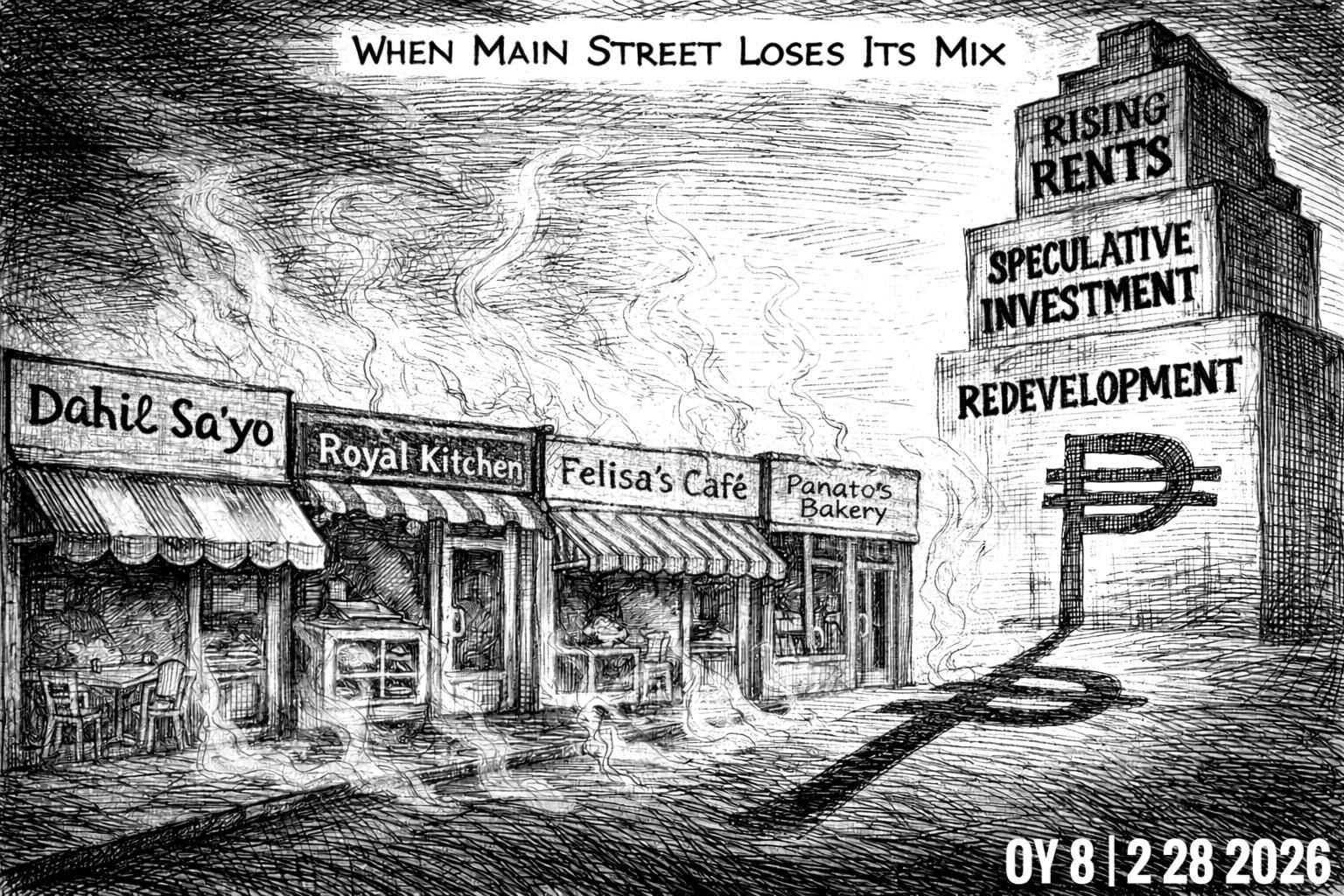

When long-standing local business owners are pushed out of a neighborhood whether by rising rents, redevelopment policies, or shifting market forces, the loss is felt far beyond storefront windows.
A commercial district is more than an economic zone; it is a living archive of relationships, memories, and shared identity.
When that ecosystem narrows dramatically, the consequences ripple through the social and cultural fabric of the community.
If an area transitions from a mix of locally rooted proprietors to a concentration dominated by owners from a single national background, such as Chinese entrepreneurs, the issue is not about ethnicity itself.
Immigrant and diaspora business owners have long revitalized struggling corridors, brought investment, and expanded cultural offerings.
The problem arises when economic pressures create a monoculture where diversity of ownership, perspective, and service declines.
Longtime residents may feel displaced when familiar faces and gathering spots disappear. Informal credit arrangements, neighborhood sponsorships, and generational trust networks can vanish overnight.
Newer business owners, meanwhile, may face unfair suspicion or resentment, even though they are often responding rationally to market opportunities.
This dynamic can breed tension where collaboration might otherwise flourish.
The deeper concern lies in structural forces: commercial rent spikes, speculative real estate investment, uneven access to financing, and policy decisions that favor large capital over small operators.
When these pressures drive out independent owners regardless of background, the neighborhood risks losing resilience. Economic diversity acts as a buffer against downturns and fosters innovation through varied experiences and ideas.
Communities thrive when multiple cultures and business traditions coexist, not when one group replaces another through displacement.
Policymakers and civic leaders should prioritize equitable access to leases, transparent zoning practices, and small-business support programs that preserve pluralism.
The goal is not to restrict opportunity for any group, but to ensure that prosperity does not come at the cost of inclusion and shared belonging.
#WeTakeAStand #OpinYon #OpinYonNews