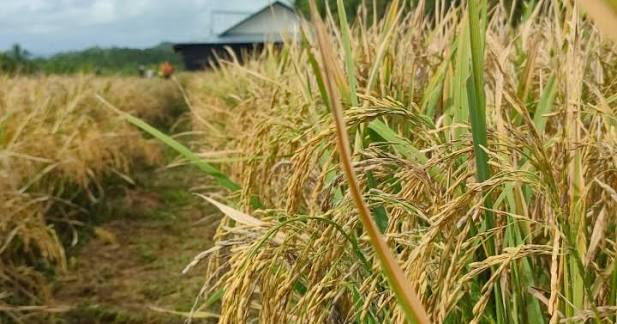

Eastern Visayas recorded a steep decline in palay production during the first quarter of 2026, with the Philippine Statistics Authority (PSA) reporting a 14.6 percent decrease compared to the same period last year.
The region harvested only 205,405 metric tons of palay, down from 240,530 metric tons in 2025.
This drop was largely due to a reduction in harvested area, which fell by 15.5 percent to 59,784 hectares.
Interestingly, despite the smaller land area, yield per hectare slightly improved to 3.44 metric tons, reflecting better farming practices or favorable growing conditions.
Leyte remained the leading producer, contributing 115,998 metric tons or 56.5 percent of the regional total, reaffirming its role as the rice basket of Eastern Visayas.
Northern Samar followed with 39,395 metric tons, while Samar and Eastern Samar produced 20,595 and 17,043 metric tons, respectively.
Southern Leyte accounted for 8,214 metric tons, and Biliran registered the lowest production at 4,160 metric tons.
These figures highlight the uneven distribution of rice production across the provinces, with Leyte carrying the bulk of the responsibility for regional food supply.
The decline in overall production raises concerns about food security and farmer livelihoods.
Rice remains the staple food in Eastern Visayas, and reduced output could lead to higher prices and tighter supply, affecting households across the region.
For farmers, smaller harvests mean reduced income, which could impact their ability to invest in inputs such as seeds, fertilizers, and irrigation.
This situation underscores the vulnerability of agricultural communities to shifts in land use, climate variability, and resource constraints.
On the positive side, the slight improvement in yield per hectare indicates potential for growth if farming practices are further strengthened.
Programs that promote mechanization, irrigation development, and climate-resilient techniques could help stabilize production levels.
Authorities are expected to monitor these trends closely and implement measures to support farmers, ensuring that rice supply remains steady despite challenges in land availability.
Moving forward, Eastern Visayas must balance the need for higher productivity with sustainable land management.
Leyte’s dominance in production highlights its critical role, but provinces like Eastern Samar and Northern Samar also show potential for expansion if given adequate support.
Biliran, though limited in land area, could benefit from targeted interventions to maximize productivity.
The region’s future rice security will depend on coordinated efforts between government agencies, local communities, and farmers themselves to adapt to changing conditions and secure the staple food for generations to come.
#WeTakeAStand #OpinYon #OpinYonNews