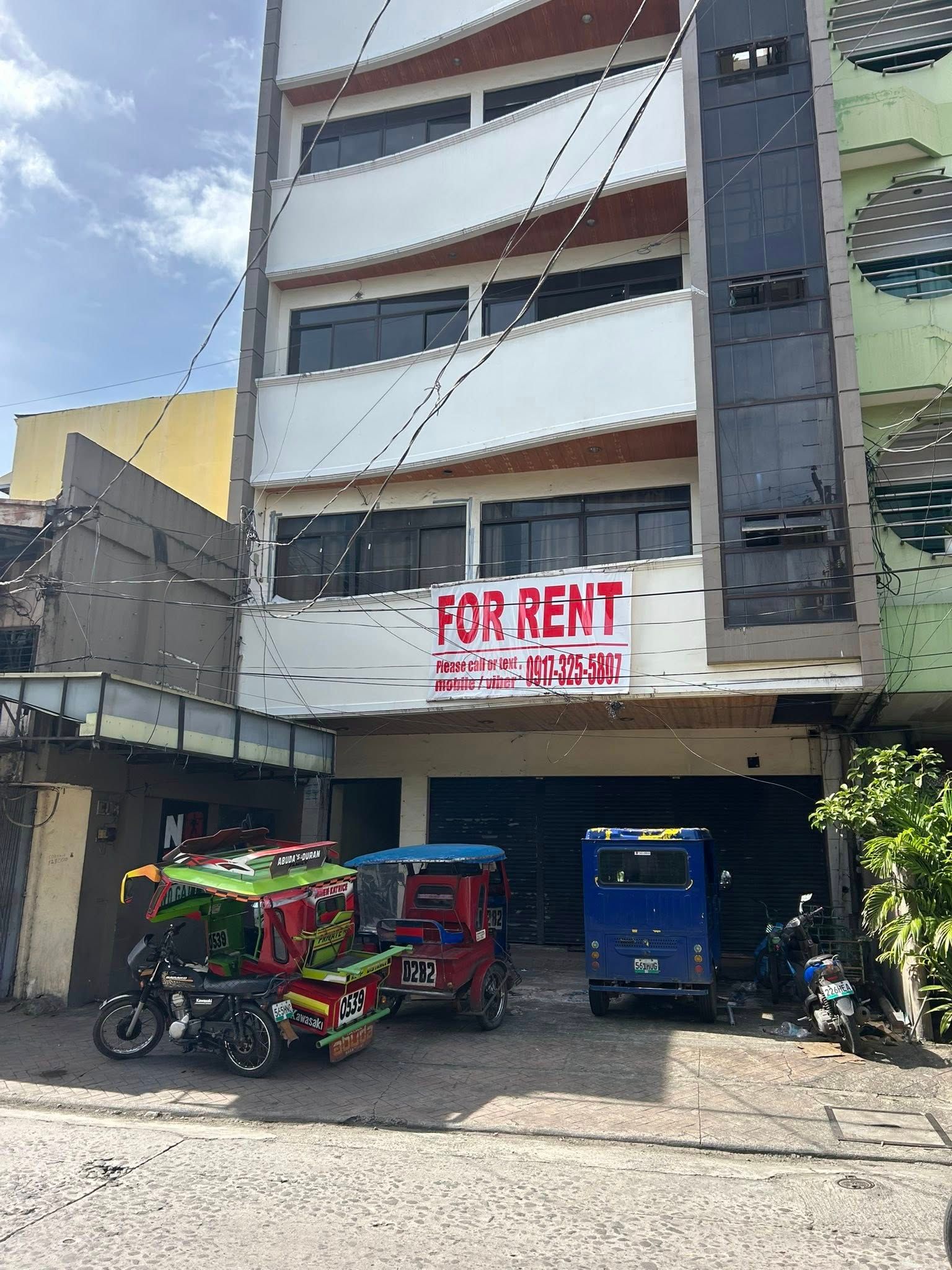

The steady dimming of lights in downtown Tacloban is no longer anecdotal.
Over the past months, several long-established businesses have closed, including a downtown McDonald’s branch and longtime local eateries JC Foodspot and Royal Kitchen, fixtures that had operated for decades and helped anchor the city’s commercial core.
The common thread raised by business owners and online commentators is cost.
Specifically, allegedly high real property taxes passed on to tenants through rent increases have pushed operating expenses beyond sustainable levels.
While leases and tax assessments vary, the perception of disproportionate rent has gained traction as more storefronts go dark.
Netizens have amplified the contrast.
One widely shared post compared downtown Tacloban rents with those in Metro Manila and nearby growth provinces: roadside spaces in Cavite reportedly leasing for around ₱5,000 a month; Marikina and Pasay at ₱5,000–₱8,000, with Pasay’s ₱10,000 units offering larger floor areas.
In Tacloban, tenants say they are paying far more for smaller spaces without the foot traffic to match.
While these figures are anecdotal and depend on location and size, the comparison underscores a growing belief that downtown Tacloban is becoming cost-heavy relative to its market draw.
Property owners point to rising real property tax obligations and compliance pressures as a driver of rent adjustments.
Under existing local frameworks, commercial property taxes are assessed annually, and delinquency invites penalties.
The burden, landlords argue, must be recovered somewhere, often through higher rents.
Tenants counter that the math no longer works: electricity, labor, supplies, and rent are rising simultaneously, while consumer spending remains cautious.
The closures also expose a deeper structural issue. Downtown Tacloban has struggled to sustain foot traffic as commercial activity migrates to mall-centered districts and newer corridors.
Limited parking, aging infrastructure, and congestion further weaken the area’s appeal.
For food businesses that depend on volume, thin margins leave little room to absorb rent hikes, even modest ones, when daily sales fluctuate.
City officials have consistently emphasized the importance of property tax collections to fund services and infrastructure.
The city has also explored measures such as tax amnesty programs to recover unpaid dues and improve compliance.
Separately, small, targeted efforts like providing rent-free stalls during city events, signal awareness of the strain on micro-enterprises.
But critics argue these are stopgaps that do not address the core problem of downtown competitiveness.
What makes the current wave of closures particularly striking is the profile of the businesses affected.
These were not pop-ups or speculative ventures. They were institutions that survived disasters, economic shocks, and changing tastes.
Their exit suggests a threshold has been crossed.
The risk for Tacloban is not merely vacant storefronts but a hollowed-out city center.
Once clusters of eateries and shops dissolve, recovery becomes harder: fewer customers attract fewer tenants, which further depresses demand.
Rents then face a paradox. High on paper, unsustainable in practice.
A recalibration may be unavoidable. Options being discussed informally by stakeholders include a review of assessed values in aging districts, incentives for long-term tenants, and a broader downtown revitalization plan that improves access and foot traffic.
Without such adjustments, the market will continue to decide and history shows it does so bluntly.
For now, the shutters tell the story. Downtown Tacloban is paying the price of costs outrunning commerce.
Whether the city responds with reform or watches more institutions fade will define the next chapter of its urban core.
(Photo courtesy of Dom Cinco)
#WeTakeAStand #OpinYon #OpinYonNews