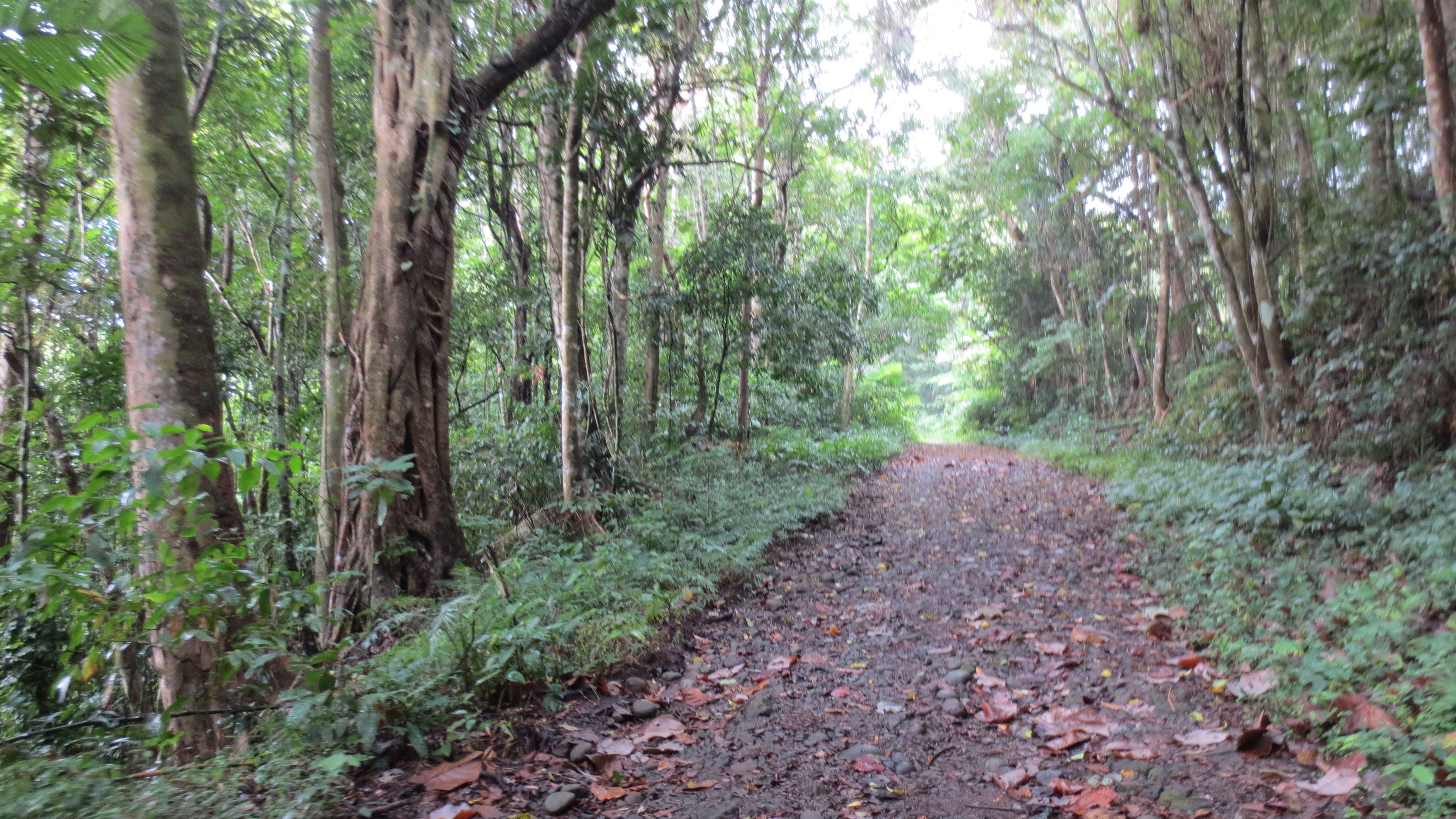

The slopes of Mount Makiling in Los Baños, Laguna, long noted for its mystic aura and rich biodiversity, could be harboring a hidden potential material for our country’s energy sector.
Researchers from the University of the Philippines – Los Baños campus (UPLB) have recently discovered what they call an “exciting development” in the production of biodiesel, using a kind of yeast that was isolated from plants inside the Mount Makiling Forest Reserve.
The team, led by Irene Pajares of the UPLB’s National Institute of Molecular Biology and Biotechnology, said they have found a potential for biodiesel material from several colonies of plants and trees in Mt. Makiling.
This material is in the form of oleaginous yeasts, a unique group of microorganisms known for their ability to accumulate significant amounts of lipids (fats) within their cells.
According to their study, which was published in the Journal of Applied Biology and Biotechnology, said these yeasts found in several species of ferns, moss, roots, orchids, bark, and leaves of forest trees, contain lipids that can be converted into biodiesel, a renewable and environmentally friendly alternative to fossil fuels.
“The team meticulously screened and identified several oleaginous yeast strains capable of producing high lipid content from a total of 258 colonies of ferns, moss, roots, orchids, bark and leaves of several forest trees
The set of trees included species of Narra, Balilang Uak, Balete, Bagtikan, Malaruhat Pula, and Salisi.
“The research not only underscores the potential of using native microbial resources for renewable energy but also highlights the importance of conserving biodiversity. Mount Makiling’s unique ecosystem serves as a treasure trove of biological resources that could play a significant role in sustainable development,” the team wrote in their abstract.
“By leveraging local resources, we can reduce reliance on imported fossil fuels, lower greenhouse gas emissions, and promote energy independence. Likewise, using microbial resources as a source of biodiesel, as compared to soybean and palm oil, may not cause vast farming, fertilizer use, land conversion, and pesticide use to produce enough amount of biodiesel,” they added.
#WeTakeAStand #OpinYon #OpinYonNews