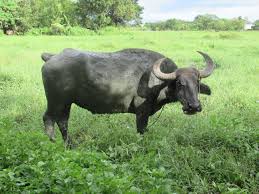

As farmers feel the pinch of soaring prices of petroleum products in the past weeks, some have returned to the trusty carabao as their main beast of burden.
In the town of Sulat in Eastern Samar, carabaos have become such a valuable commodity for local farmers that the municipal government has decided to ban the slaughter of carabaos for meat.
Sulat Mayor Javier Zacate said he issued an executive order (EO) prohibiting the
butchering of carabaos, including during fiestas and other celebrations, to ensure agricultural sustainability.
Zacate noted that the policy was shaped through extensive consultations, including small-group discussions and a Municipal Development Council (MDC) meeting, aimed at addressing concerns over rising diesel prices impacting local farmers.
“There are no clear indicators that diesel prices will go down. If fuel becomes too expensive, our farmers will struggle to cultivate their land without carabaos,” Zacate told reporters.
He noted that while mechanization has been promoted to boost agricultural productivity, the rising cost of fuel poses a challenge to its sustainability, especially for small-scale farmers.
“In the absence of affordable fuel, we may return to traditional farming. The carabao has always been part of our farming system from plowing fields to transporting farm products,” he added.
Under the EO, the slaughter of carabaos is temporarily prohibited, along with their transport outside the municipality to prevent them from being sold and butchered elsewhere.
The mayor emphasized that preserving carabaos is crucial to ensuring that farmers will have viable alternatives should fuel prices continue to rise.
(With report from PNA)
#WeTakeAStand #OpinYon #OpinYonNews