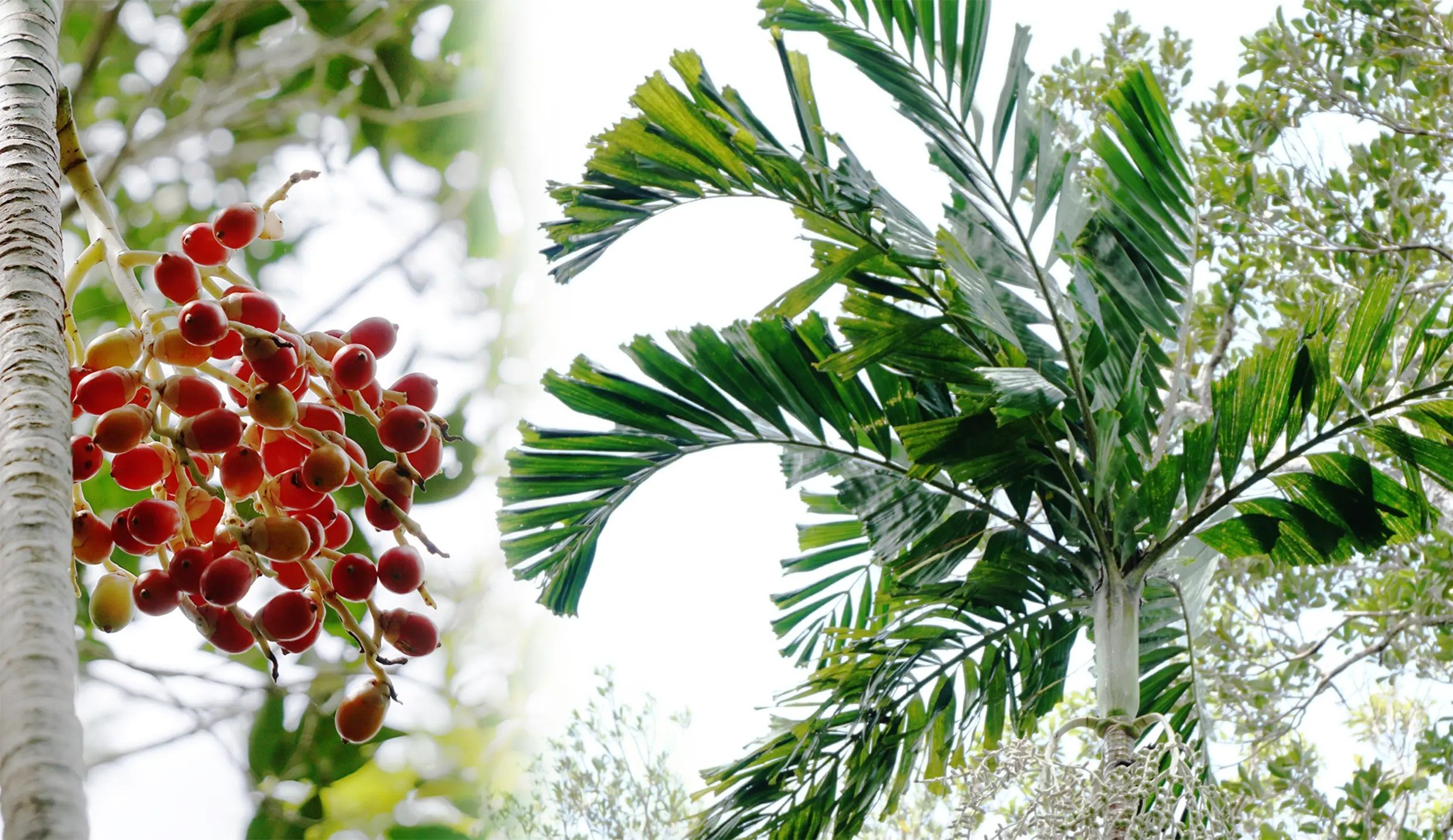

A team of researchers from the University of the Philippines - Los Baños campus (UPLB), including professors, museum curators, and international collaborators, has formally described a new species of palm discovered on the island of Samar, marking a significant addition to the Philippines’ rich botanical heritage.
The newly identified plant, named Adonidia zibabaoa, was officially recognized in scientific publications in 2025 after years of fieldwork and analysis.
The species belongs to the genus Adonidia, which until recently comprised only two recognized species, including the well-known Christmas palm (Adonidia merrillii).
This discovery brings the total number of Adonidia species to three.
Researchers first encountered the distinctive palm while conducting botanical surveys on central Samar Island.
The plant thrives atop karst limestone formations, a unique and fragile habitat that underscores both the botanical richness and environmental sensitivity of the area.
Field assessments indicate that A. zibabaoa is restricted to these specialized limestone outcrops, contributing to its limited distribution.
UPLB Museum of Natural History curators played a pivotal role in the identification and description of the species.
Working in collaboration with scientists from the Royal Botanic Gardens, Kew, and other research institutions, the team employed morphologic and genetic analyses to determine the plant’s distinctiveness from its closest relatives.
The study’s findings, published in the journal Palms, highlight the species’ unique characteristics and affirm its placement within the Adonidia lineage.
The specific epithet “zibabaoa” draws inspiration from an old name for Samar Island, reflecting the species’ deep connection to its place of origin.
Conservationists have already expressed concern about the species’ status, as its narrow habitat range and ongoing threats to limestone ecosystems may put it at risk.
Preliminary assessments suggest that A. zibabaoa could qualify for a high conservation priority under international criteria, though further studies are needed to confirm its official status.
For UPLB, the discovery represents both a scientific triumph and a reminder of the Philippines’ extraordinary biodiversity.
The UPLB Museum of Natural History, which houses extensive botanical collections and serves as a research hub for taxonomists, has been a key contributor to documenting the country’s flora.
This latest finding adds to a growing list of species that scientists from the institution have helped bring to light.
As global attention turns increasingly to conservation and the protection of endemic species, the identification of A. zibabaoa reinforces the importance of sustained research efforts in understudied regions like Samar.
The UPLB team has called for strengthened conservation measures to safeguard this remarkable palm and the fragile ecosystems it inhabits, urging both government and local stakeholders to support biodiversity protection initiatives.
#WeTakeAStand #OpinYon #OpinYonNews