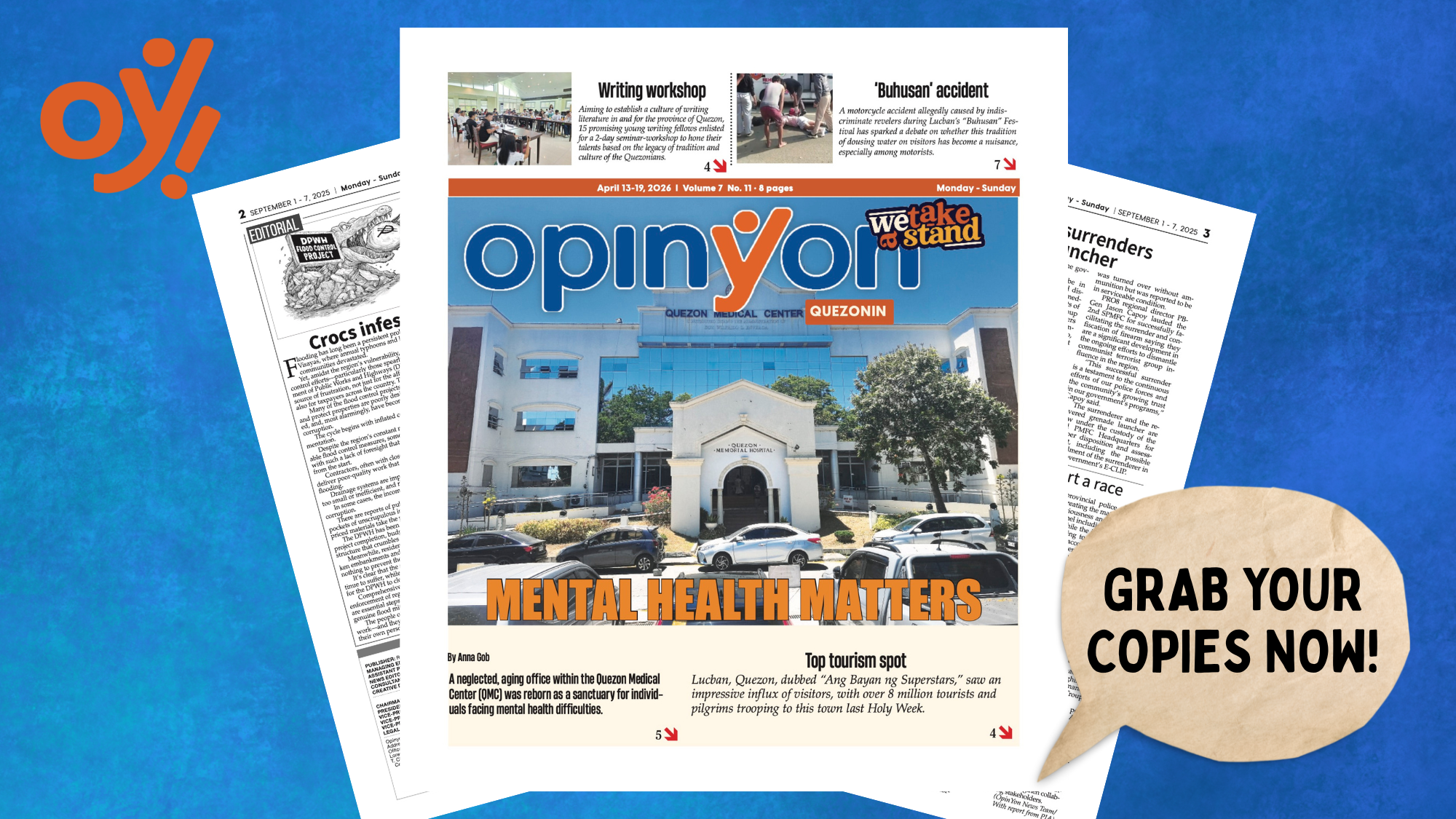

It all began in June 2025.
A neglected, aging office within the Quezon Medical Center (QMC) was reborn as a sanctuary for individuals facing mental health difficulties.
The previously dark and forgotten space underwent a transformation after a visit from Governor Angelina “Doktora Helen” Tan.
Fueled by the governor's dedication, the room undertook renovations, giving rise to Quezon's inaugural Mental Health Unit (MHU).
The new facility quickly became a ray of hope for Quezonins, many of whom had been enduring hardship in silence.
The MHU, though it started out small, swiftly proved invaluable to the province.
The clinic has become a focal point in a mental health revolution.
Every day, patients arrive, seeking understanding, a break from their struggles, and a chance to heal.
The Unseen Epidemic
What began as a modest undertaking swiftly escalated into a flood of cases.
The MHU saw a mere 11 patients during its inaugural month. However, by January 2026, the number of new consultations had surged to 82.
The caseload then surged by another 200 percent by February.
“Bago matapos ang araw, sinisiguro naming lahat ng lumalapit ay natutulungan—kahit pa maghapon kaming mag-duty,” shares Nurse Jinnil Hinagpisan.
The rapid increase wasn’t limited to walk-in clients.
In March, 14 in-patients from different wards—ranging from those suffering self-harm to those with suicide tendencies—were referred to the MHU.
"May mga pagkakataong ang pasyente, dahil sa delusyon, ay nagiging marahas o may suicide tendencies. Immediate attention and support are essential here, not just from the hospital staff but also from the family and the community," Nurse Jinnil notes.
For urgent cases, medical orders are often issued even before the patient is personally seen, ensuring that care begins immediately, with thorough assessment the next day.
Faces of the Crisis
The data present a concerning picture: Schizophrenia and schizoaffective disorder are the most frequently diagnosed conditions at the MHU, followed by bipolar disorder 1 and generalized anxiety disorder.
Delusional Disorder is also becoming more common, often accompanied by false beliefs and hallucinations and sometimes leading to violence or self-harm.
“Hindi porket masayahin o tahimik, wala nang problema. Minsan, may mga pasyente kaming mukhang normal lang, pero sa loob ay may matindi palang pinagdadaanan,” according to Dr. Dario Flores, MD, FPPA, Head, Mental Health Unit.
He adds that the signs can sometimes be hidden, but often, the symptoms eventually become more apparent in the patients’ daily lives.
“May mga pasyente kaming biglang nagkukulong, hindi kumakain, o may naririnig na boses—kaya’t mahalaga ang maagang gamutan at pagbabantay," he noted.
Breaking the Stigma
The mental health team is quick to point out that sadness and stress are parts of normal life.
When these emotions become too much to handle, impacting everyday activities, and particularly if there are concerning signs such as self-injury, severe anxiety, or social isolation, seeking professional assistance is crucial.
Depression, they emphasize, is not a sign of weakness and can affect anyone, especially those with a family history, drug addicts, or lack of support.
“Yung simple stress o sadness, functional ka pa. Pero kapag depression na, hindi ka na makakilos, gusto mo nang manakit ng sarili, minsan gusto mo nang magpakamatay,” explains Dr. Flores.
Recognizing this difference is crucial, the team emphasized, as early intervention can save lives.
“Ang mental health, hindi ikinakahiya. Huwag hayaang lumala—dalhin agad sa espesyalista,” he further urged.
Over the past months, the number of patients seeking help has steadily increased.
From just 1–3 patients a day, the clinic now sees at least 12 daily—proof that stigma is gradually being broken and more people are finding courage to ask for help for sadness, insomnia, loss of control, or substance-related concerns.
“Naiintindihan namin ang hirap ng buhay at pinagdaanan. Pero tandaan ninyo na lahat ng problema, may solusyon. Andito kami para tumulong, at libre ang serbisyo at gamot sa Quezon,” concludes Dr. Flores.
Healing Agenda
The transformation of that old office was just the beginning.
Under Governor Tan's "Healing Agenda," Quezon Province has embarked on a sweeping effort to broaden mental health services throughout the entire province.
Health workers are undergoing training to secure PhilHealth accreditation, which will allow a greater number of healthcare facilities to offer mental health services funded by the government.
At present, Sampaloc Hospital is actively working toward accreditation.
The 2024 Mental Health Ordinance has improved access to medications and collaborations with institutions such as Bicol Medical Center have bolstered the referral system.
“Layunin ng programa na bawat bayan ay may trained na doktor at nurse para hindi na kailangang bumiyahe pa ng malayo ang pasyente. Ayaw naming may maiwang hindi natutulungan,” insists Ma. Monica Roma Monsanto, RN, LPT Nurse III-Head, Non-Communicable Disease Unit.
Also, the crisis hotline is now available, operating from 8:00 AM to 5:00 PM. For further information or help, call the Quezon Medical Center Crisis Hotline, 0961-338-3315.
All mental health services and medicines are free, and a dedicated team is ready to help—any time, any day. After-hours calls fielded by the National Center for Mental Health (NCMH) and the Department of Health (DOH).
Plans are in place to make this service 24/7 once more trained staff are available.
Governor Tan’s “zero billing” policy also ensures no patient pays for consultations, medicines, or mental health care.
“Walang ilalabas na pera ang pasyente dito. Kung may gamot na wala, tutulong ang probinsya para makuha ito. “Zero billing is what the governor ordered,” Nurse Ma. Monica stated.
Paving the Way for Healing
The transformation of a neglected office into a bustling mental health center demonstrates the impact of forward-thinking leadership and teamwork.
Governor Helen Tan’s Healing Agenda goes beyond just medications; it aims to bring back dignity, hope, and compassion to every Quezonin who needs it.
Quezon Province is making strides in mental health, aiming to dismantle stigma and expand its resources.
The province is setting a commendable example for healthcare, one that's accessible, inclusive, and centered on the needs of those it serves.
Quezon's mental health landscape appears to be improving, thanks to ongoing dedication, support, and awareness.
It's a powerful message: recovery is achievable, and no one needs to face their challenges in isolation.
#WeTakeAStand #OpinYon #OpinYonNews #CoverStory #MentalHealth #DOH