
A treasure-hunter or someone seeking to add some goodies to his private collection?
Speculation has run rife among officials and residents in Biñan City, Laguna over the unprecedented theft of at least nine local historical markers in this city last week.
Authorities have launched a drive to recover the stolen markers, which it considers as signposts of the city’s rich culture and heritage, as well as to apprehend the culprits behind the theft.
Nine markers stolen
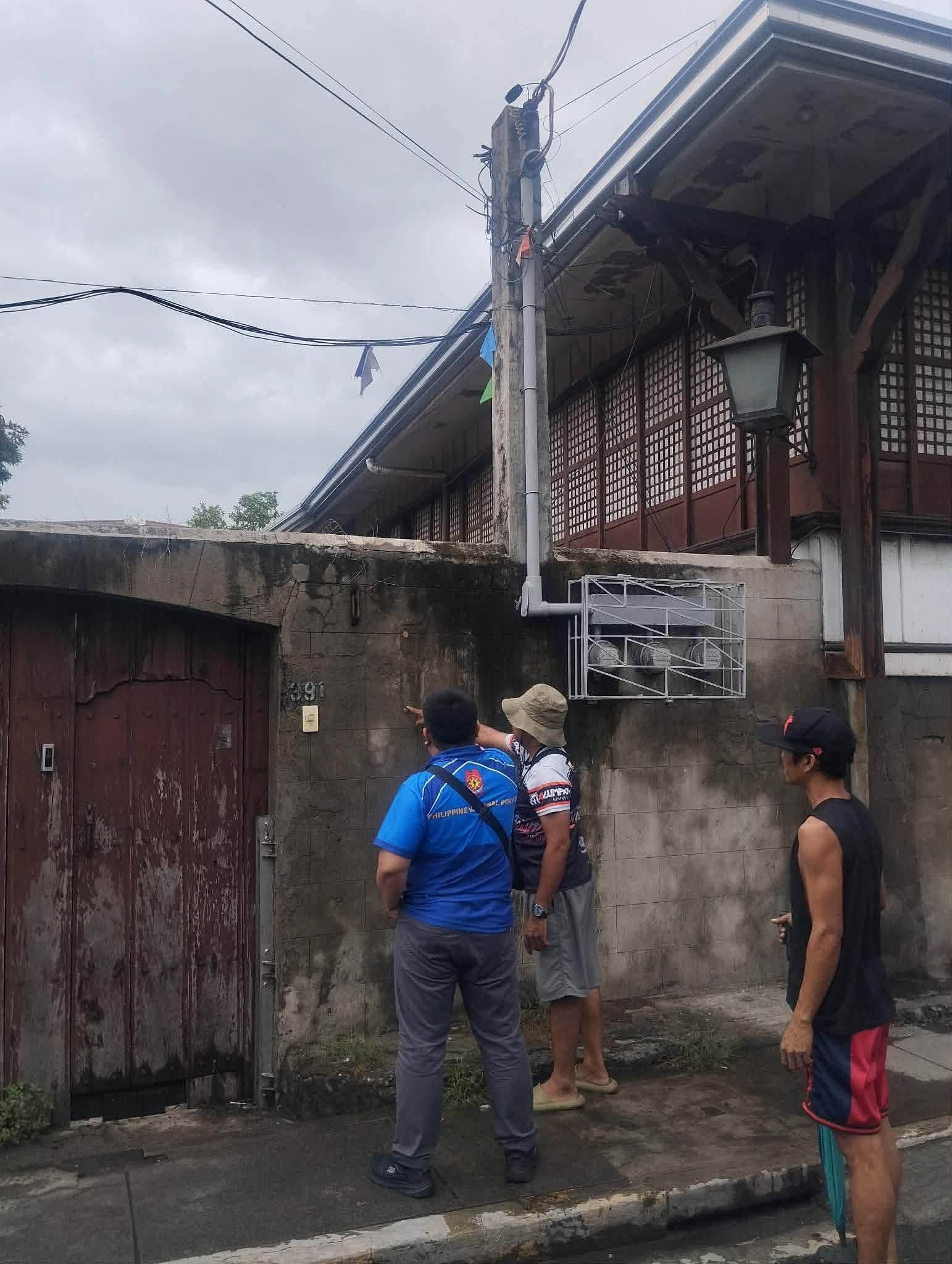
Last Thursday, August 6, the Biñan City Culture, History, Arts and Tourism Office (BCHATO) first raised the alarm on the alleged theft of two local historical markers in the city last August 2.
A quick check by the BCHATO and other city officials later revealed that the enterprising criminals had removed not just two but nine historical markers, all located at various ancestral houses in the city.
These include the Laureano Cariño House and the Isidro Gonzalez House in Barangay San Jose; the Alberto Yaptinchay House and the Teodoro Velasco House in Barangay San Antonio; the Filomena Belizario Hernandez House in Barangay Santo Domingo; and the Jacinto Francisco House, the Iluminado Valencia House, the Pedro-Isidro Cariño House, the Florentino Guico House in Barangay Poblacion.
The BCHATO also discovered signs that the thieves had targeted even more markers in the city but were only able to make off with only nine.
A video shared by BCHATO to OpinYon Laguna showed deep gouging marks and deformation at the historical marker in front of the Capilla de San Jose in Barangay San Jose, indicating a failed attempt.
Biñan City Public Order and Safety Office (POSO) head Rommel Lim also shared a screenshot from a CCTV camera that showed two motorcycle-riding men fleeing the scene after removing a local marker from the Alberto Yaptinchay House.
More than metal
The theft of historical markers had been a persistent issue among officials concerned with preserving the Philippines’ historical and cultural heritage.
Last year, for instance, there was an outcry in Muntinlupa City after it was discovered that the brass markers at a World War II memorial in Alabang was stolen.
The authorities were able to arrest the suspects, who admitted that the stolen brass maker was sold for scrap metal at a junk shop and possibly melted down.
That was the same speculation of Biñanenses who noted that the plates could have been too irresistible to those seeking rare metals – notwithstanding the fact that most of these markers are made of plain steel or brass and not gold.
Others have jokingly remarked that the markers had been taken to a private collection – but by whom?
For BCHATO, however, the local historical markers are more than simply metal plates.
In a city that takes pride in its “culture-based development,” the local agency has stressed that these markers are considered as guides to Biñan’s history and culture.
“Ang pagnanakaw ng ating mga historical marker ay pagnanakaw rin sa ating kasaysayan at pagkakakilanlan bilang mga Biñanense,” BCHATO stressed in a social media post.
“Ang mga historical markers na ninakaw ay mga naka-install sa mga privately-owned local heritage sites. Pera ng bayan ang ginugol sa paggawa at pagkabit ng mga panandang ito,” it added.
Penalties
In an online article published by the law firm Respicio and Co. last March, it stressed that removing or defacing “cultural structures” carry heavier penalties than simple acts of theft or vandalism.
“The legal importance of classification is huge. Damage to a formally recognized National Cultural Treasure or Important Cultural Property invites a much more serious response than damage to an ordinary building of similar market value,” it opined.
Aside from theft or vandalism under the Revised Penal Code and Presidential Decree No. 1616, culprits behind removing historical markers can also face charges of violating Republic Act No. 10066 (National Cultural Heritage Act of 2009).
"When the damaged structure is a cultural property, the case may move beyond ordinary malicious mischief because the Philippines has a strong public policy of protecting heritage,” the law firm also stressed.
“Cultural structures are often protected not merely as property belonging to a private owner or the State, but as part of the national patrimony.”
#WeTakeAStand #OpinYon #OpinYonNews