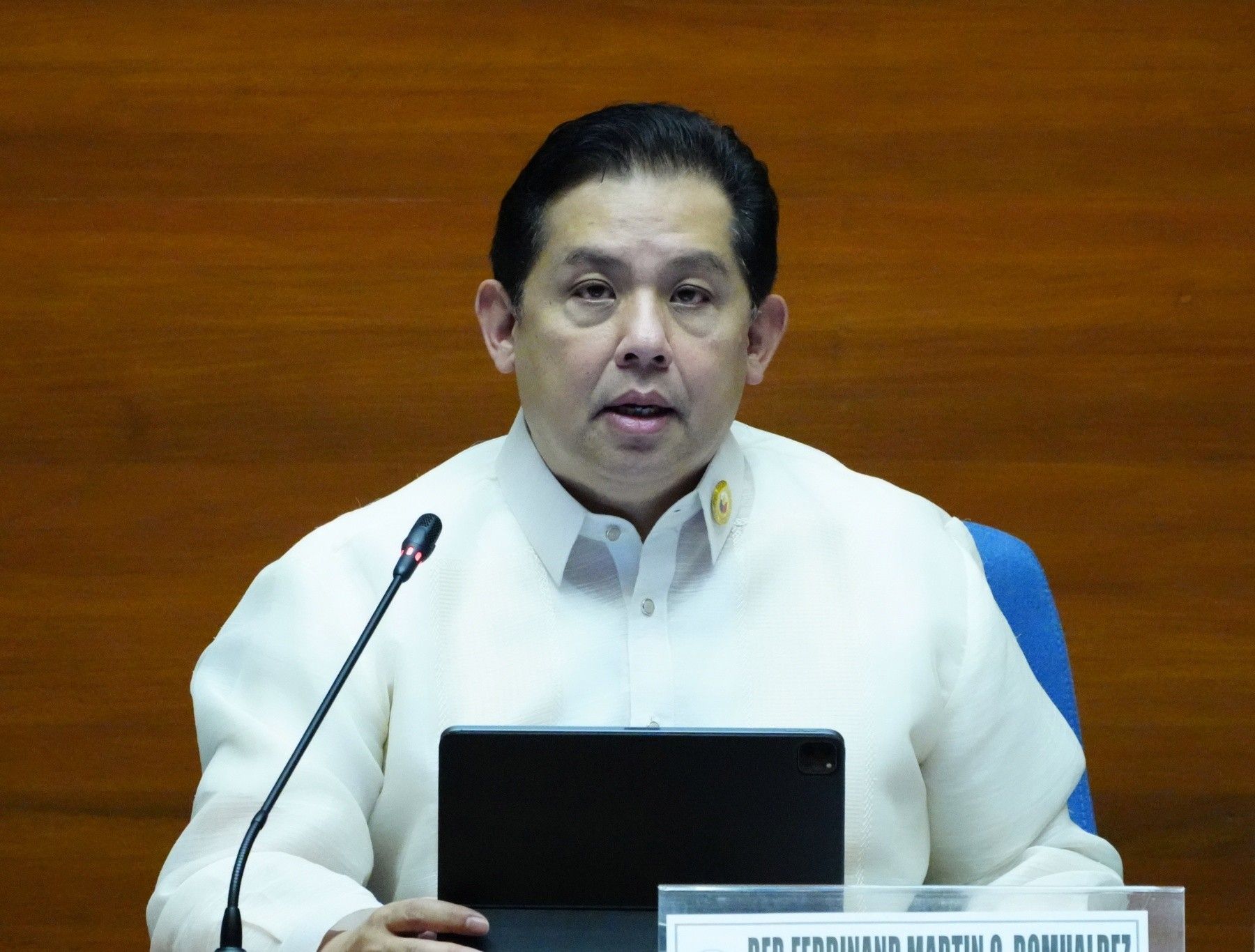

A new proposal in Congress, House Bill No. 7230, filed by Ferdinand Martin Romualdez and Jude Acidre, seeks to grant informal settler families up to ₱3,500 a month in rental subsidies.
The measure directs the Department of Human Settlements and Urban Development and the National Economic and Development Authority to determine region-specific rates, capped at that amount.
In Eastern Visayas, where poverty and housing vulnerability remain persistent challenges, the bill will understandably resonate.
According to the Philippine Statistics Authority, Eastern Visayas has historically posted poverty incidences higher than the national average, with thousands of families living in precarious housing conditions, especially in coastal and disaster-prone communities.
The scars of Typhoon Haiyan, known locally as Yolanda, remain visible more than a decade later, particularly in Tacloban and surrounding towns.
But compassion must be matched with sound economics.
In cities like Tacloban, average monthly rents for basic apartments range between ₱4,000 and ₱8,000, depending on location and condition.
A ₱3,500 subsidy could cover a significant portion of that rent. On paper, that sounds transformative. In practice, it risks distorting a small and already tight rental market.
When purchasing power increases without a parallel increase in supply, rents adjust upward. Landlords respond to what tenants can afford, not to what policymakers intend.
Eastern Visayas does not have an oversupply of rental housing. Construction activity remains modest, and many private developers are cautious due to lower average incomes and limited financing access.
Injecting subsidies without aggressively expanding housing stock may simply drive prices higher, squeezing non-beneficiary renters which more often than not includes middle class workers such as public school teachers, nurses at Eastern Visayas Medical Center, small business employees, and government workers, who receive no similar support.
That is where the proposal begins to feel inequitable.
The working and middle class in Leyte and Samar already carry the tax burden through income taxes and consumption taxes.
They pay full rent, full utilities, and rising food prices. Yet under this framework, assistance flows narrowly to one sector, while others facing similar affordability pressures are left out.
The region needs durable solutions. Programs such as the ambitious Pambansang Pabahay para sa Pilipino and projects under the National Housing Authority should be fast-tracked in Eastern Visayas, with land unlocked for vertical socialized housing near job centers.
Disaster-resilient construction, streamlined permits, and public-private partnerships would do more to stabilize communities than recurring vouchers.
Eastern Visayas understands hardship more than many regions. What it deserves now is not another temporary subsidy that risks market distortion, but a housing strategy that strengthens both the vulnerable and the working families who keep the regional economy alive.
#WeTakeAStand #OpinYon #OpinYonNews