
Health authorities have intensified disease surveillance and mosquito control efforts after a localized chikungunya outbreak was declared in two villages in Gandara, Samar, where at least 84 suspected cases have been recorded, raising concerns over the possible spread of the mosquito-borne disease to neighboring communities.
The Gandara Municipal Health Office have placed Barangays Ngoso and Catorse de Agosto under Code Red after a sharp increase in cases was detected.
The first reported infection surfaced in May, while the outbreak was officially recognized after sustained transmission in the affected barangays.
Based on the latest surveillance report covering Morbidity Week 27, from June 28 to July 4, health authorities documented 84 suspected chikungunya cases, translating to an attack rate of approximately 23 cases per 1,000 population.
Of the reported patients, 46 are women and 38 are men, with a median age of 30 years, suggesting that adults engaged in daily household and outdoor activities have been among those most affected.
Municipal health officials have launched intensified vector control measures, including search-and-destroy operations targeting mosquito breeding sites, fogging activities in affected areas, and information campaigns urging residents to eliminate stagnant water around their homes.
Surveillance has likewise been expanded to the municipality's remaining barangays to immediately detect possible new infections.
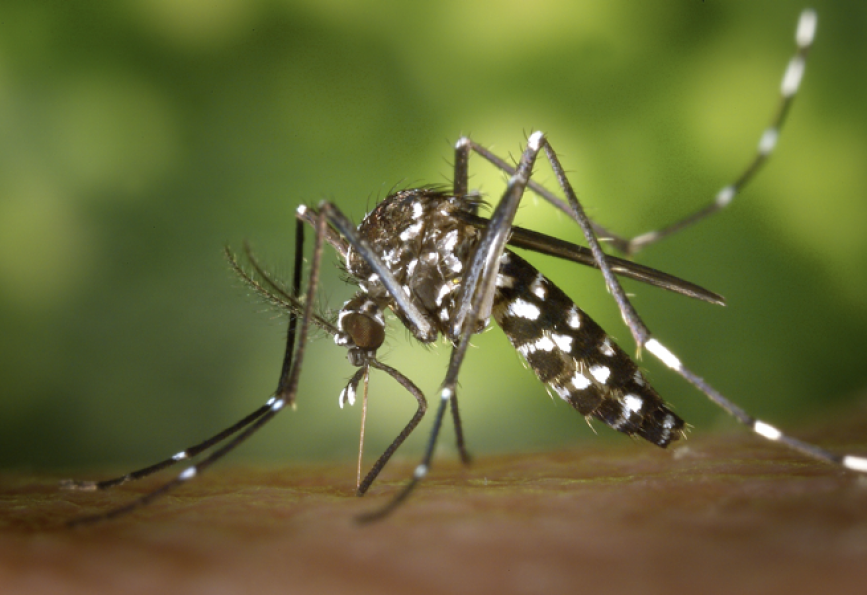
Chikungunya is transmitted through the bite of infected Aedes aegypti and Aedes albopictus mosquitoes, the same vectors responsible for spreading dengue.
The disease commonly presents with sudden high fever, severe joint pain, muscle aches, headache, rash, and fatigue.
While fatalities are uncommon, joint pain can persist for weeks or even months, significantly affecting patients' daily activities.
Health authorities reminded residents that chikungunya symptoms closely resemble dengue fever, making early medical consultation essential for proper diagnosis and management.
Since both diseases circulate in tropical communities, laboratory confirmation may be necessary to distinguish one infection from the other.
The outbreak comes as many parts of Eastern Visayas continue to experience intermittent rains, creating favorable conditions for mosquito breeding.
Public health experts have repeatedly warned that poor waste disposal, uncovered water containers, clogged drainage systems, and stagnant water significantly increase the risk of mosquito-borne disease transmission.
Residents exhibiting symptoms have been advised to seek immediate consultation at their nearest health facility rather than self-medicate.
Local officials are also encouraging communities to participate in regular cleanup drives and strictly observe preventive measures such as wearing long-sleeved clothing, using mosquito repellents, installing window screens, and sleeping under mosquito nets, particularly for vulnerable individuals including children and senior citizens.
As surveillance continues, health authorities are closely monitoring the situation to prevent the outbreak from expanding beyond Gandara.
Officials emphasized that sustained community participation in eliminating mosquito breeding grounds remains the most effective defense against further transmission while epidemiological investigations continue.
#WeTakeAStand #OpinYon #OpinYonNews