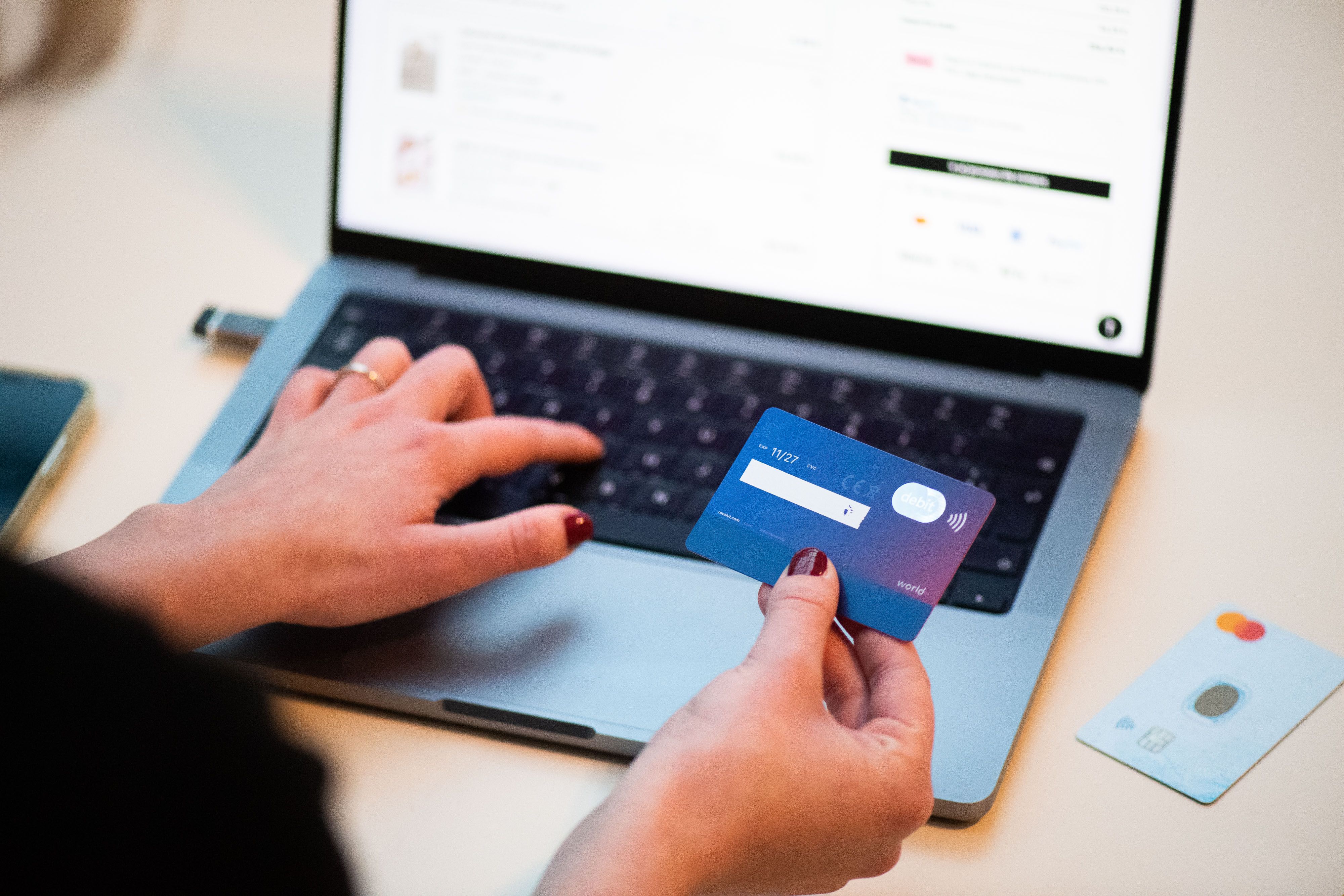

Sa panahong talamak na ang iba’t-ibang klase ng online scam, protektado ka ba laban sa kanila?
Ito ang binigyang diin ni Deputy Director Maricris Salud mula sa Bangko Sentral ng Pilipinas (BSP) sa pagtalakay niya tungkol sa panganib ng cyber threat sa financial stability.
Sa isang webinar na ginawa noong nakaraang linggo, ipinaliwanag ni Salud na
nagbago na ang estilo ng panloloko ngayon digitally kasabay ng pag-unlad ng mga online product at service.
“We are also seeing that attacks have shifted from pure hacking to scam-driven, human-centered threats. And I think we are all familiar with what's happening now,” aniya.
Mga uri ng cyberattack
Nangunguna dito ay ang tinatawag na “social engineering” tulad ng phising messages, fake emails, spoof calls kung saan layunin ng mga ito na samantalahin ang tiwala o takot ng isang tao para makapagnakaw ng pera.
“Criminals target people, not just systems—tricking users into giving up credentials or abusing insider access. And of course, new tools like generative AI are also making these scams faster, more personalized, and harder to detect,” paliwanag ni Salud.
Ngunit higit sa pagiging technology problem, apektado rin sa suliranin na ito ay ang tiwala ng mga consumer pagdating sa kanilang financial system.
Sapat na kamalayan
Bilang isang karaniwang consumer, ano ba ang pwede nilang gawin upang makaiwas sa nasabing mga scam?
Ayon sa BSP, ang pagkakaroon ng sapat na kamalayan sa mga social engineering scheme ay mainam na paraan upang makaiwas ang kanilang mga sarili.
“It comes with different channels, but primarily it's an exploitation of your trust and there's a sense of urgency and opportunity to deceive victims,” ayon kay Salud.
“So that's why it's important really that all of us have to be continuously vigilant as we can because they have different forms as well.”
Tiniyak din ni Salud na ang kanilang ahensiya ay may sapat na kakayahan upang tugunan ang mga nasabing problema.
Kabilang dito ang batas na Anti-Financial Accounts Scamming Act (AFASA) na naipasa noong Hulyo 2024 na may layuning paigtingin ang pagbabantay laban sa mga nasabing social engineering scheme.
“We're trying to curb social engineering schemes, which we seek to protect consumers and promote trust in the financial system. We are also enhancing the security of the financial institutions.
“And, of course, we want to deter the scams that are very rampant right now and particularly using your financial accounts, and we want to strengthen prosecution of threat actors and mule actors.”
Cyber Bantay
Pero bago pa man dumating ang naturang batas ay mayroon ng ipinapatupad ang BSP ng sarili nilang fraud management system: Cyber Bantay.
Kagaya ng isang aso na tatahol kapag may kahina-hinalang bagay o tao sa kanyang bahay, inaalerto din ng Cyber Bantay ang isang consumer tuwing may kahina-hinalang transaksyon ito.
“For instance, your usual transaction is just, let's say, P5,000 or P10,000. Then suddenly you're transacting P200,000 or P500,000 and trying to withdraw funds within the day, so ang fraud management system natin should be able to detect that and alert the consumer,” ayon kay Salud.
“The transaction could be valid so at least ang parang mangyayari dito is maa-alert natin yung customer, is it really you that's transacting? Okay and if not then we can already stop the fraudulent transaction if it's really not you doing it.”
Aniya, ang mahalagang tandaan ay hindi na lang institutional o technical concern ang cybersecurity, dahil isang shared responsibility ito ng lahat na bahagi ng lipunan.
“Yet, cyber resilience cannot be achieved in isolation. It demands sustained and shared responsibility among financial institutions, service providers, the media, and the public as co-defenders of the financial system.”
#WeTakeAStand #OpinYon #OpinYonNews #CyberHygiene #BSP