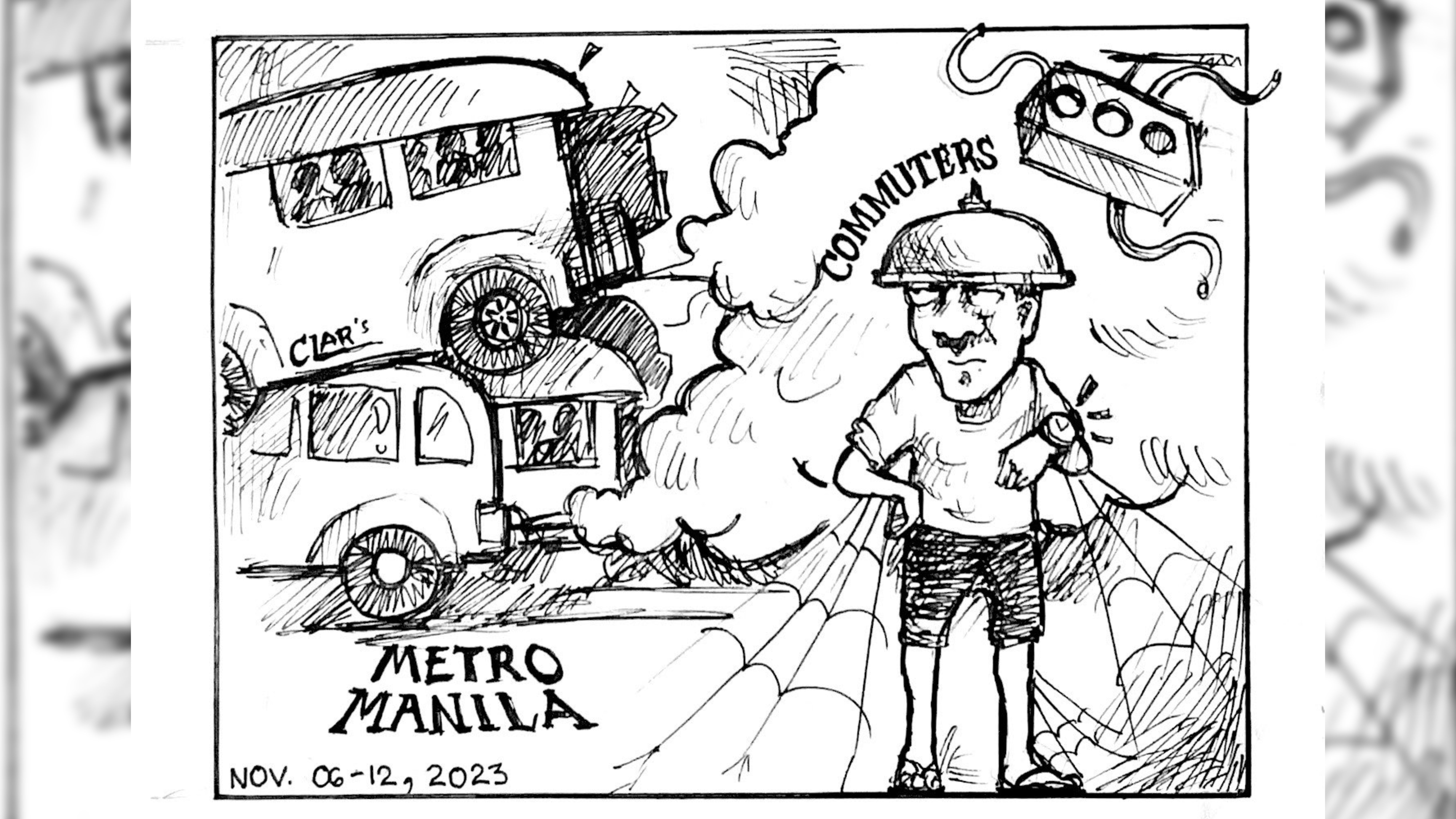

THE government should seriously consider an honest-to-goodness urban planning with emphasis on a conservative estimate of P3.5 billion losses incurred on a daily basis just because of traffic congestion.
Considering the number of vehicles – 1.6 million motorcycles and 1.56 million cars, plus 400,000 other types of vehicles plying the roads, government efforts to decongest Metro Manila is next to impossible.
No wonder, Metro Manila is notoriously famous around the world for its severe traffic congestion. Based on the latest Traffic Index Report, Metro Manila is ranked 18th among 404 cities with the worst traffic in the world.
While the government is ramping up transportation infrastructure projects by allocating a big chunk of the national budget, conspicuously missing is an effective urban planning embarking on long-term solutions.
The transport and land use development patterns of Metro Manila are clearly derived from an automobile-dependent planning mode. The traffic congestion issue, considering the urban growth patterns of suburbanization, proliferation of informal settlements in city centers, and establishment of Central Business Districts along major thoroughfares, is of high complexity caused by inefficient public transportation, dominance of private vehicles, and inadequate urban governance and policies.
The result – tremendous economic losses, a drain in productivity, increased hours of commuting time and reduction of economic mobility.
To consider commuting in Manila as a nightmare is an understatement. The uncertainty of waiting time is dreadful – hours in long queues that could have been allotted for family and rest after work.
Hopping onto a crowded bus is like entering a war zone, fighting for standing space enough to breathe until one reaches the destination. Even booking cabs through apps would take ages due to high demand as commuters try to escape ‘carmageddon’.
According to another study jointly conducted by American think-tank Oliver Wyman Forum and University of California Berkeley, Metro Manila is fifth among the worst public transportation systems in the world.
There are many ways to trim down the number of vehicles plying the busy Metro Manila roads – institutionalizing a work-from-home arrangement for the private offices, mass transport system (which the government has long been bragging about), carpooling, promotion of bicycles as alternative means of transportation, river ferry system, and the call for the government officials to shun the use of government vehicles by riding buses, jeeps, trains or even tricycles on their way to work.
#OpinYonMetro #Editorial #TrafficAsUsual #UrbanPlanning #Traffic #Decongest #
OpinYon #WeTakeAStand