
THE Department of Environment and Natural Resources (DENR) might as well revisit the law which created the agency if only to be reminded that the agency’s responsibilities are not limited to attending international summits.
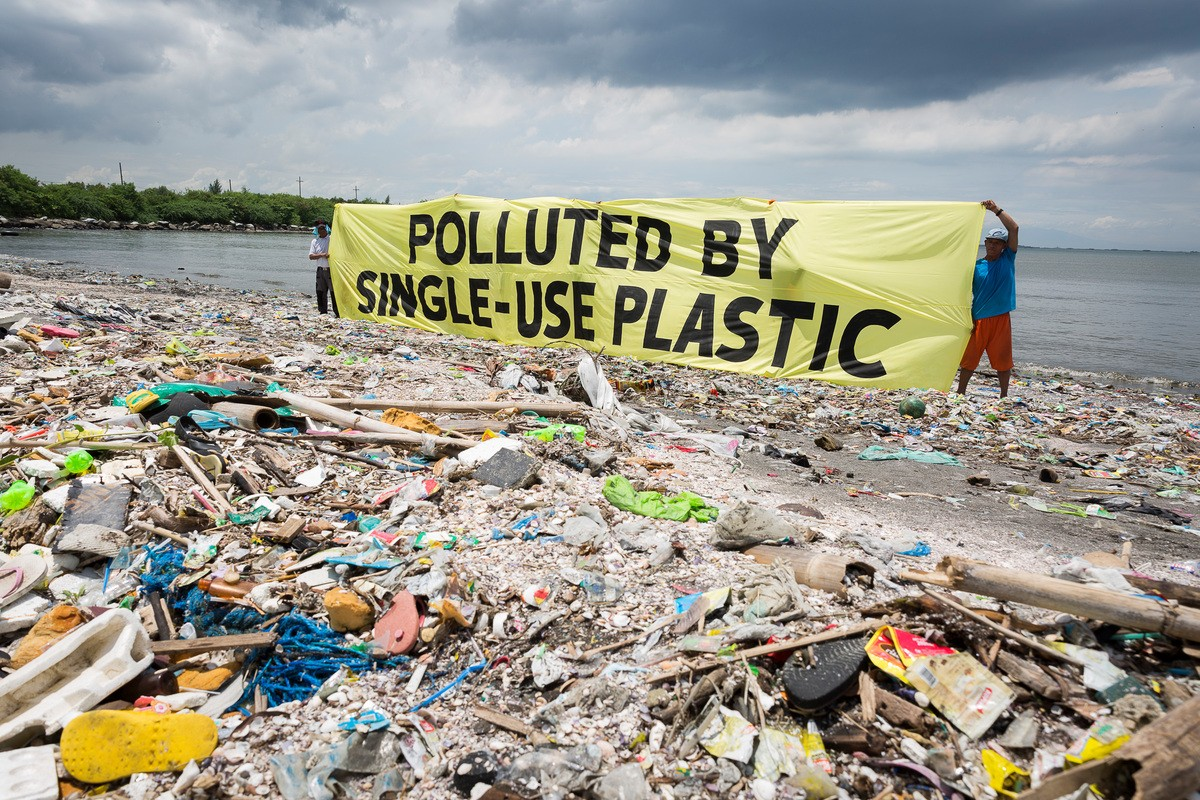
Based on a study jointly conducted by the Korean International Cooperation Agency (KOICA), De LaSalle University - Dasmarinas and the DENR, 90 percent of the solid waste found along the Manila Bay coastline are single-use plastics.
In a statement, international watchdog EcoWaste Coalition cited the need for consistency insofar as strict implementation of environmental laws is concerned.
EcoWaste particularly expressed alarm over figures embarking on 12 million pieces of garbage collected by the group, even as they claimed that 90 percent of it were single-use plastics, hard films and other types of plastic products.
“We are alarmed that marine litter, mostly from single-use plastics, are stuck in the coastal areas of Manila Bay. Studies show that single-use plastics pose a grave danger to vulnerable communities and are an escalating crisis for the environment, health, and climate. The study shows that we have a long way to go to eliminate the ubiquitous problem of single-use plastics and marine litter as a whole,” Von Vladimir Defuntorum of Ecowaste Coalition said.
During the briefing, Ecowaste presented a study dubbed as “Marine Litter Monitoring Survey in Manila Bay: Year 1 (2023)” report, which forms part of the Enhancement of Marine Litter Management in Manila Bay, Philippines (2021-2025) project.
Ten coastal areas in Metro Manila, Region 3, and Region 4A were covered by the study aimed at classifying marine litter, and comparing marine litter during dry and wet months, as well as identifying top items of marine litter based on actual counts.
The Ecowaste Coalition said that the study confirms that “sachet economy” is the norm in the country as most Filipinos are highly dependent on single-use plastics such as single-use utensils, sachets, and wrappers.
Studies described single-use plastics as destructive to both the environment and the people as it breaks down and becomes microplastics and nanoplastics finding its way into the food people eat leading to a range of toxicological effects, including reproductive abnormalities, oxidative stress, and gastrointestinal dysfunction.
#OpinYonMetro #ManilaBay #DENR #KOICA #SachetEconomy #OpinYon #WeTakeAStand