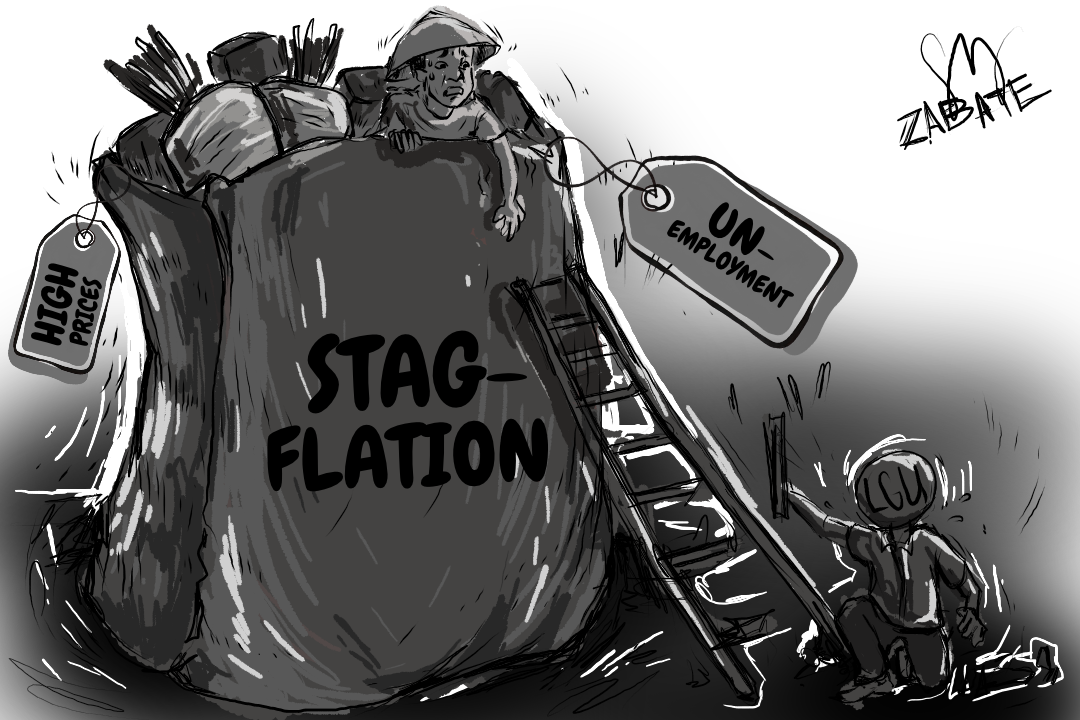

When the national government is clearly failing in its mandate, the job of local government units (LGUs) is vital in promoting economic development in their towns and cities.
This is especially true in Laguna province, which despite its reputation as an industrial, commercial and residential hub in Southern Luzon is clearly showing signs that it, too, is severely affected by the national economic situation.
Recently, reports that the province’s inflation rate has zoomed to the highest level in the region – 9.2 percent, to be exact – last October has jilted policymakers and stakeholders – but to the ordinary worker whose wages barely cover their everyday expenses, such news is no longer a surprise.
So is data indicating a slowing trend in manufacturing and an increase in service-based businesses in Laguna province in the past years – not a good sign, economists have warned, amid risks brought by the rise of artificial intelligence and global economic uncertainties.
Local executives in Laguna province, to their credit, have played a key role in the past in encouraging large investors to the province.
Today, however, high inflation rates – translated to high costs of goods and utilities – could undermine the province’s attractiveness to investors.
This is a serious problem. Slowing investment meant less employment opportunities, translating to less livelihood opportunities.
What are LGUs in the province doing to deal with the issue of “stagflation”?
That’s the question Lagunenses should ask their mayors and councilors, especially as we are now dealing with an administration that has become too wishy-washy and reluctant to solve the major issues hounding Filipinos.
At a time when the national governance has proved impotent, LGUs should step in and prove that they can achieve more than providing simple “ayuda” for their constituents in this critical time.
#OpinYonLaguna #editorial