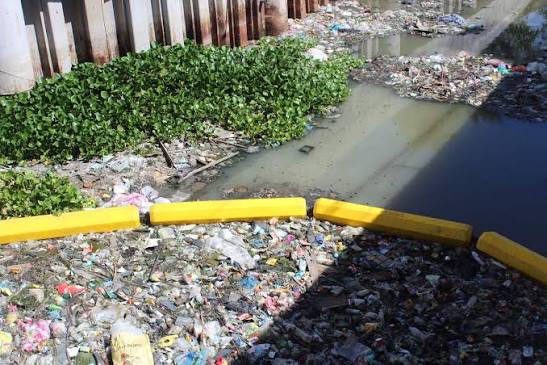

With Laguna de Bay once again breaching its high critical threshold of 12.50 meters last month, interest has once again been revived on measures to increase the lake’s capacity.
No single agency felt the pinch as the Laguna Lake Development Authority (LLDA), which had suddenly made a 180-degree turn when it comes to solving the issue of flooding in Laguna de Bay.
Aside from looking into dredging the lake, LLDA officials are now reportedly supporting “waste to energy” initiatives as part of steering garbage away from the lake.
LLDA Acting General Manager Engr. Leopoldo Parumog was quoted as saying that recent “waste to energy” proposals were a significant step toward addressing the limitations of conventional waste disposal, particularly as existing sanitary landfills eventually reach their capacity.
“Ang waste-to-energy ang totoong solusyon sa problema sa basura, kasi darating ‘yung araw na meron tayong mga sanitary landfill na mapupuno lahat ‘yan kaya itong waste-to-energy ay talagang wala ka nang itatapon,” Parumog told the Philippine Information Agency (PIA).
The LLDA chief shared that discussions with private partners are underway to make sure that the waste-to-energy initiatives are done with only minimal to no cost to the government.
“May kausap na rin kaming proponent kahapon na Thailand technology na meron silang maliliit na waste-to-energy na puwedeng gamitin ng mga maliliit na siyudad at munisipyo hindi lang sa Metro Manila pero sa buong bansa para di na malaki ang gastos ng mga LGUs; so, napakaganda po nito basta ito ay tumatama lamang sa ating batas,” he added.
With numerous cities and municipalities surrounding Laguna de Bay, Parumog sees significant potential for waste-to-energy initiatives to complement the LLDA’s efforts to control the volume of garbage reaching the lake.
“Napakalaking septic tank ng Laguna de Bay, at kung hindi natin makokontrol ang papasok diyan (ng basura) ay kawawa ang mga mangingisda. Pipilitin natin sa LLDA na ang Laguna de Bay ay walang basura na mapunta na diyan para hindi na madagdagan ang mga toxic na nandiyan na,” he added.
“Waste to energy” has been seen as a “win-win” solution to the problems of waste management and the current energy crisis.
Not so fast, lambasted environmentalists who say “waste to energy” is as dirty as fossil fuels.
Noel Baga, co-convenor of the Center for Energy Research and Policy, has expressed the belief that whatever benefits waste-to-energy has can never outweigh its overall impact to the environment.
“It manages waste after the fact rather than reducing it at the source, and its contribution to the power supply would be marginal,” he added.
Waste materials such as plastics could also release pollutants and toxic gases into the air, exacerbating Metro Manila’s already worsening problem of air pollution.
One such pollutant is dioxin, which can cause cancer, severe skin problems and damage to a person’s immune system.
Aside from air pollution, there is also the risks that residuals from waste-to-energy can also contaminate water supply and affect soil quality.
In other words, waste-to-energy is no different from fossil fuels such as coal, according to environmentalists.
"Yung electricity na gine-generate ng WTE, it does not cancel out yung pollution na ginagawa niya. It's fundamentally harmful and it also contributes to climate change. Ang daming problema na nire-release ng WTE na it outweighs yung benefit niya na pag-generate ng electricity,” Greenpeace Philippines communications campaigner Eunille Santos told GMA News.
"Even si House Bill 9157 or ‘yung Waste to Energy Act, it actually recognizes na ‘yung mga residue from waste to energy facilities should still be managed and disposed in landfills. Yung thermal WTE cannot make garbage disappear. Hindi mawawala ‘yung basura. It actually just transforms one problem into another problem," he added.
Experts have urged the national government to seriously consider the potential impacts of waste-to-energy technologies to the health and environment.
For them, the government’s “mad rush” to adopt this technology to solve the country’s waste management and energy issues could only result into another, much more serious problem of environmental degradation.
(OpinYon News Team)
#OpinYonLaguna #LLDA #Lagunadebay